



Every year, millions of students graduate with the hope of building a successful career. They invest years in earning degrees, developing technical skills, completing internships, and preparing for interviews. These are all important milestones, but they are only the beginning of a much longer journey.
Many people believe that career success depends on finding the right company, securing a high-paying job, or working for a well-known brand. While these factors can certainly influence a career, they are rarely the reason someone succeeds over the long term. Careers are built gradually through the choices people make, the habits they develop, and the way they respond to opportunities and challenges.
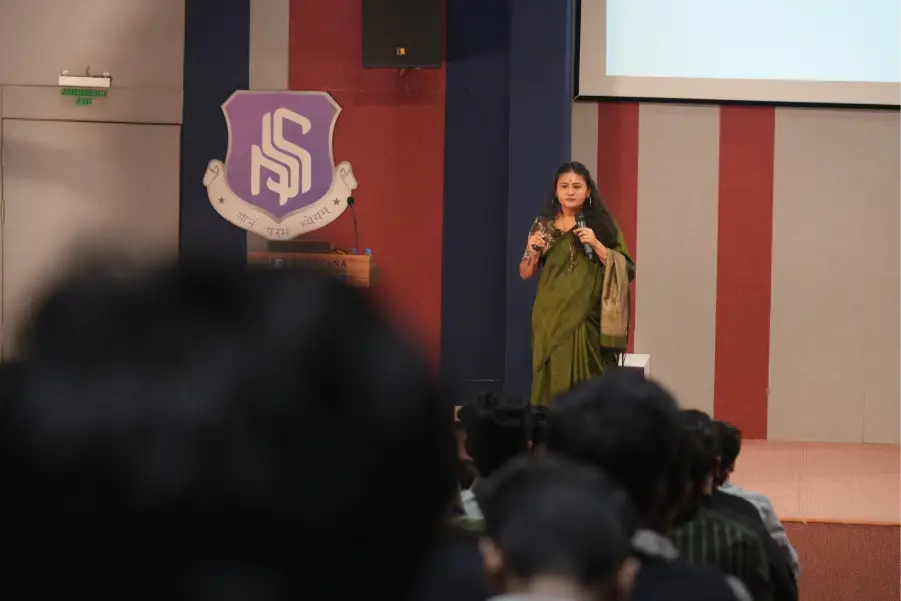
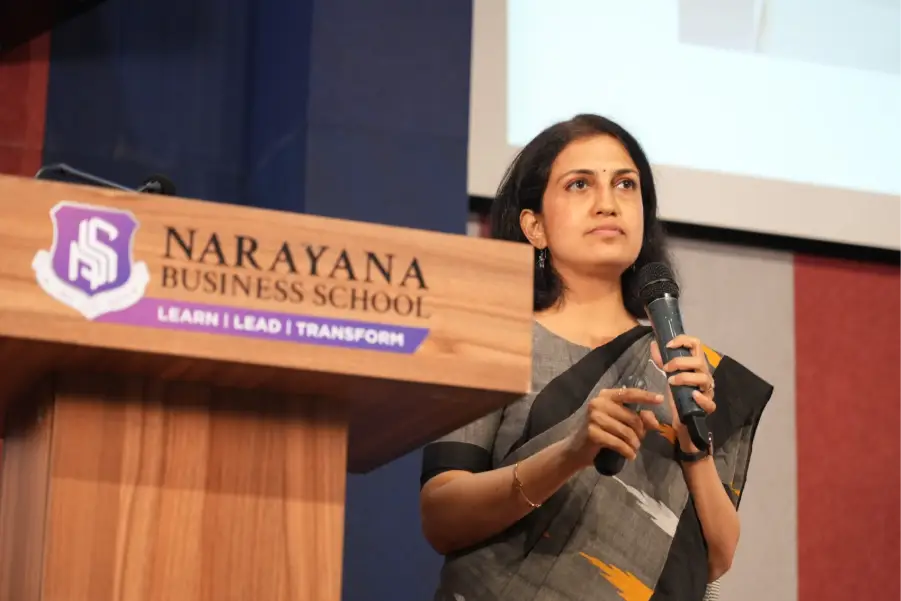
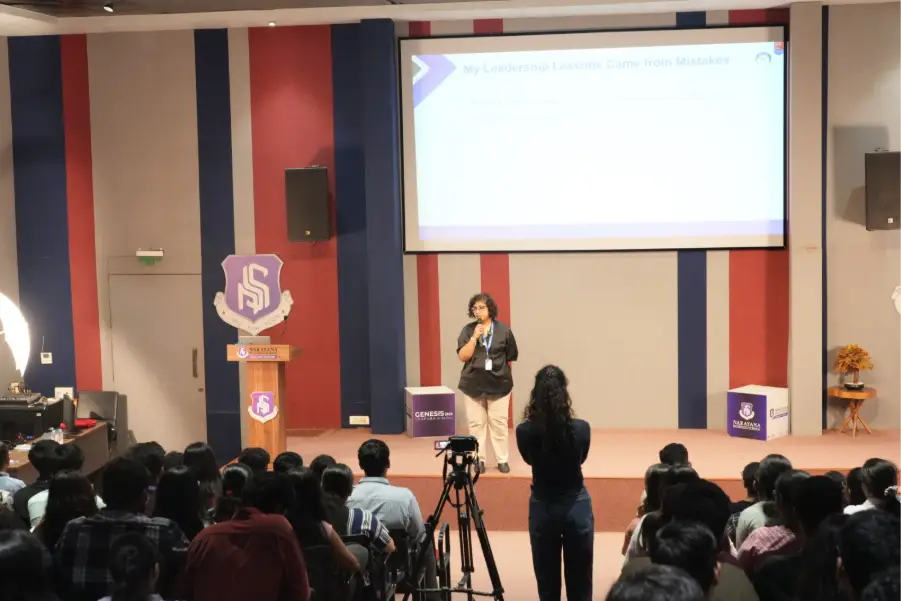
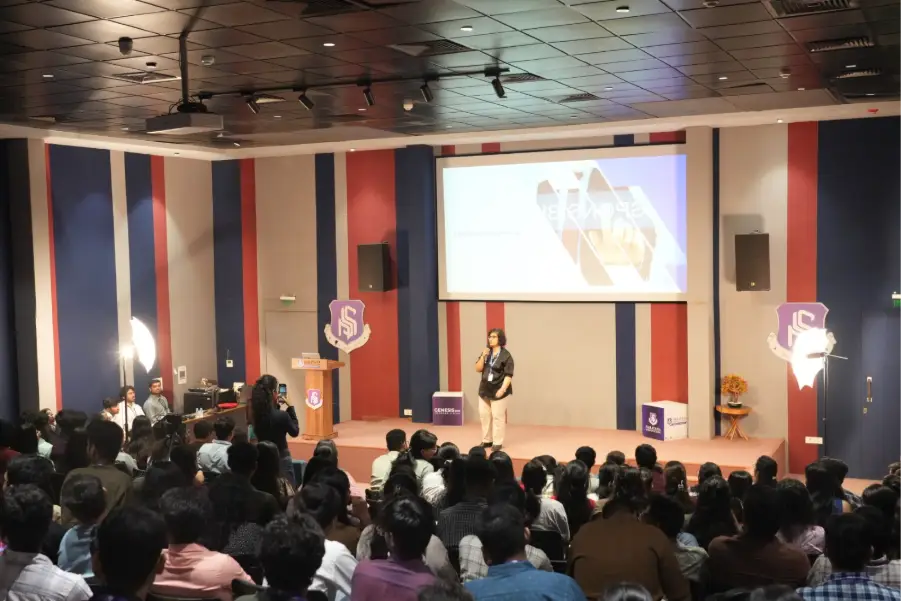
Our guest speaker Leena Lopez, Senior Vice President – Strategy and Human Resources at Knowcraft Analytics explored the nuances of this idea. During her session “Leading Responsible,” at Narayana Business School Ahmedabad she encouraged students to look beyond qualifications and think about the qualities that organisations truly value over time.
As she stated “A degree may help someone enter the workplace, but long-term success depends on responsibility, integrity, and the ability to earn trust every single day.”
Her insights also reflect what employers across industries increasingly look for today. Here are 7 lessons every student should learn before their first job after higher education.
1. Focus on Building Skills, Qualifications Will Follow
A degree opens doors, but it does not guarantee career success. Employers expect graduates to possess technical knowledge, but they also recognise that industries evolve quickly. New technologies emerge, business models change, and the skills required today may look very different a few years from now. This is why successful professionals treat learning as a continuous process rather than something that ends with graduation.
Alongside technical expertise, students should invest time in developing communication, problem-solving, critical thinking, and collaboration. These skills remain valuable regardless of the industry they choose or the role they eventually take on.
You might be thinking but which is the best career choice for students? Startup Vs Corporate Vs MSMEs? If you focus on building the right skills, the answer to this question will become crystal clear as you progress.
Qualifications may help someone secure an interview, but the ability to learn and adapt determines how their career progresses after they are hired.
2. Build Your Reputation Before You Need It
Professional reputation is one of the most valuable assets a person can develop, yet it is often overlooked early in a career.
Reputation is not built through one outstanding project or a single promotion. It grows through everyday actions, meeting commitments, being honest, communicating respectfully, supporting teammates, and taking responsibility when things do not go as planned.
Managers and colleagues remember people they can rely on. They trust professionals who consistently deliver quality work and remain dependable under pressure. Over time, this trust becomes the foundation for new opportunities, leadership roles, and greater responsibilities.
As Leena Lopez shared during the session, “Your degree may get you a seat at the table, but your ethics define how long you stay.”
3. Leadership Starts Long Before You Receive a Title
Many students associate leadership with senior positions, but leadership is rarely defined by a designation alone. People demonstrate leadership when they take initiative, solve problems, support their teams, and remain accountable for their work. These qualities do not require formal authority. They simply require the willingness to contribute beyond what is expected.
As Leena Lopez explained, “Leadership starts before you become a manager.”
Students can begin developing leadership today by taking ownership of academic projects, contributing meaningfully during internships, helping classmates, and approaching challenges with a solution-oriented mindset. These experiences gradually build the confidence and judgement that organisations look for in future leaders.
Leadership is less about directing others and more about becoming someone others naturally trust and respect.
4. Make Integrity a Daily Habit
It is your daily habits and the small things you do today that will make a difference in your life tomorrow. Ethics is often discussed during corporate training sessions, but in reality it influences everyday decisions.
Professionals make ethical choices whenever they report accurate information, protect confidential data, acknowledge mistakes, give credit fairly, and avoid shortcuts that compromise quality or honesty.
These decisions may seem small in isolation, but together they shape a person’s character and professional credibility.
During the session, Leena Lopez encouraged students to evaluate difficult situations using a simple idea known as the public visibility test. Before making an important decision, ask yourself whether you would still be comfortable if your actions became public knowledge. This habit encourages thoughtful decision-making and helps professionals remain aligned with their values even when they face pressure.
Integrity is not demonstrated during extraordinary moments alone. It is reflected in the ordinary decisions people make every day.
5. Take Responsibility Instead of Looking for Someone to Blame
Every career includes setbacks. Projects fail, deadlines are missed, misunderstandings occur, and unexpected challenges emerge.
While these situations are unavoidable, the response to them often separates average professionals from exceptional ones.
Responsible individuals focus on understanding what went wrong and how it can be improved rather than searching for someone to blame. They accept ownership where appropriate, communicate honestly, and work towards practical solutions.
This approach builds confidence within teams because colleagues know they can depend on someone who remains calm, accountable, and constructive during difficult situations.
Organisations value people who solve problems. They value them even more when those solutions are accompanied by responsibility and professionalism.
6. Continue Learning Throughout Your Career
Our students of PGDM Dual Specialization and students of other academic programs are encourages to remain curious throughout their journey at NBS Ahmedabad.
They seek feedback, learn from experienced colleagues, read widely, and continuously update their knowledge as industries evolve.
This mindset has become even more important as artificial intelligence and digital technologies reshape workplaces. Technical skills will continue to change, making continuous learning an essential part of professional growth.
However, while technology continues to evolve, human qualities such as judgement, empathy, communication, and ethical decision-making remain difficult to replace. Professionals who combine technical expertise with these qualities are better prepared to adapt to future changes.
Career growth depends not only on what people already know but also on how willing they are to keep learning.
7. Measure Success by the Value You Create
Many students define success through salary, job titles, or the reputation of the organisation they join. While these achievements are meaningful, they rarely tell the complete story of a successful career.
True professional growth comes from consistently creating value—for customers, colleagues, organisations, and society. It is reflected in solving problems, improving processes, helping others succeed, and contributing positively to the workplace.
As Leena Lopez reminded students, “Be the person everyone wants to work with; that’s how leaders are made.”
People who build successful careers are often those who combine competence with humility, ambition with integrity, and confidence with a willingness to learn. They understand that long-term success is measured not only by what they accomplish but also by the trust they earn along the way.
Conclusion: Build a Career That Lasts
Every student hopes to build a successful career, but there is no single formula that guarantees success. Industries change, technologies evolve, and opportunities appear in unexpected ways. The qualities that remain constant are those that help professionals earn trust wherever they work.
Technical skills will continue to open doors, but they must be supported by responsibility, integrity, accountability, and continuous learning. These are the qualities that influence promotions, strengthen professional relationships, and create opportunities that extend far beyond a first job.
Leena Lopez’s session served as a reminder that leadership is not something people suddenly develop after years of experience. It is built through everyday choices that reflect honesty, ownership, and respect for others. Those choices may seem small at the time, but together they shape the reputation and character on which lasting careers are built.