NBS Ahmedabad Honoured With Best Education Award For Second Time At ET Now Brand Awards 2025

Narayana Business School Ahmedabad (NBS Ahmedabad) is delighted to announce that it has been awarded the prestigious “Best Education Brand Award” at the ET Now Brand Awards 2025. This marks the second consecutive year the B school has received this distinguished recognition, having previously been honoured with the same award in 2023. 

The ET Now Brand Awards 2025, held in New Delhi on February 25, is among India’s most respected accolades in the education sector. This premier event brought together visionary leaders, policymakers, and industry experts to discuss India’s transformative growth journey and recognize institutions demonstrating excellence, innovation, and consistent performance. 

Dr. Purvi Gupta, whose innovative curriculum designs have transformed student learning experiences, added: “To see our students excel in boardrooms across the globe brings us immense pride. This award belongs to every student who has walked these halls, every faculty member who has poured their knowledge into young minds, and every supporter who believed in our vision. Together, we’ve built something extraordinary.” 

Dr. Amit Gupta, reflecting on the institution’s journey, shared: “What makes this award particularly meaningful is that it represents the collective effort of our entire NBS community. Every faculty member who has poured their expertise into our programs, every student who has embraced our challenging curriculum, and every industry partner who has supported our mission has contributed to this achievement. We take this honour as further motivation to continue preparing tomorrow’s business leaders with the skills, ethics, and vision needed to thrive in an increasingly complex global economy.” 

Key highlights of Narayana Business School under their leadership include: 

  • Ranked 4th among Best Private B Schools in Gujarat by IIRF.  
  • Consistently strong placement records with top corporate recruiters. 
  • State-of-the-art infrastructure spanning over 10 acres. 
  • More than 60 industry-experienced faculty members. 
  • Over 9,000 distinguished alumni in prestigious organizations pan India.  

The award ceremony, which focused on India’s journey towards becoming a $10 trillion economy by 2035, featured keynote addresses by Dr. Jitendra Singh, Union MoS for Science & Technology, and Rohit Chadda, President and COO of Times Network. NBS was represented by its senior leadership team, who accepted the award amidst enthusiastic applause. 

To our entire NBS community – faculty, students, alumni, and supporters—thank you for being part of this remarkable journey. Together, we continue to shape the future of business leadership! 

For more information on our awards and recognition, please visit: https://nbs.edu.in/awards-recognitions-b-school/

HR Conclave 2025: A Forum On Data &Human-Centric HR, Sparks Dialogues On The Future Of Human Resource 

We just had the most eye-opening experience at the HR Conclave 2025 at Narayana Business School in Ahmedabad. If you’ve ever wondered how to balance data analytics with human empathy in HR, this event had all the answers. 

The theme was “HR Excellence and People Analytics: Leveraging Data for Smarter Decisions,” and it couldn’t have come at a better time. In today’s world where algorithms are everywhere, it’s refreshing to see a gathering that focuses on keeping the human touch alive in HR. 

Lamp lighting ceremony by our Director Dr Amit Gupta.  

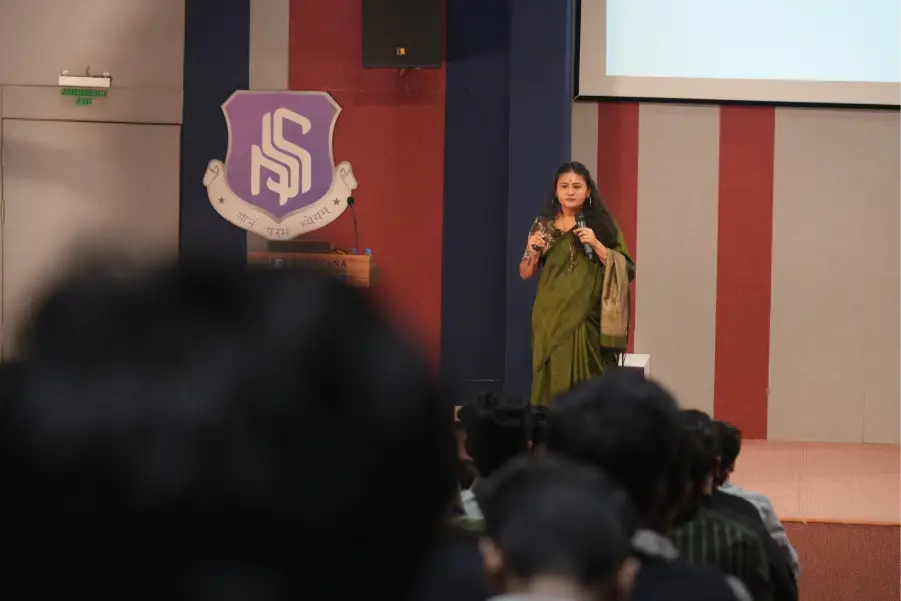
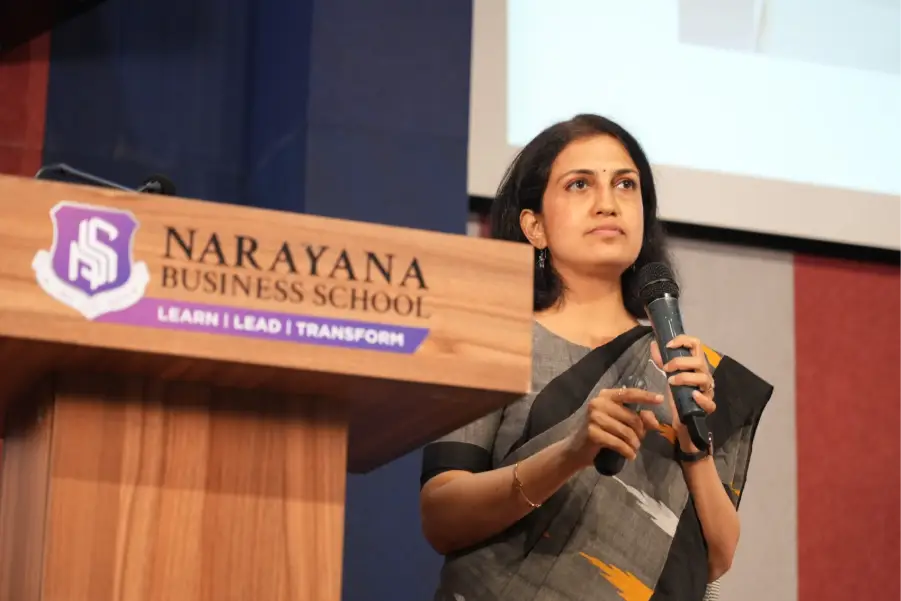
Dr amit Gupta, Director NBS at HR conclave

The essence of the conclave was built upon the belief that while numbers and metrics provide clarity, it is the human context behind these figures that fuels true progress. In today’s fast-paced business environment, organizations are increasingly reliant on data to steer decisions from talent acquisition to employee engagement. Yet, the voices at HR Conclave 2025 reminded us that data, when divorced from human context, is merely noise. They argued that by merging analytics with empathy, companies could unlock not only improved productivity but also a more engaged and fulfilled workforce. 

In a session that felt as much like a storytelling forum as it did a professional seminar, speakers illustrated that every data point on an employee’s profile represents a human being with unique aspirations, challenges, and potential. This philosophy underpinned the entire day, with each presentation reinforcing the idea that the future of HR lies in harmonizing the objective clarity of analytics with the subjective beauty of human experience. 

Harjeet Khaduja, senior VP HR at jio

One of the most compelling moments of the day came from Harjeet Khanduja, Senior Vice President HR at Reliance Jio. Khanduja transformed the stage into a dynamic theater of ideas, interweaving cinematic metaphors with the science of human behavior. Drawing parallels with films like The Shawshank Redemption, he argued that recognition in the workplace isn’t merely a feel-good gesture—it is a catalyst for neurological transformation. 

When we acknowledge someone’s effort, we’re not just boosting morale; we’re activating the brain’s chemistry,” Khanduja explained. He detailed how the release of dopamine and serotonin, often celebrated as the brain’s “feel-good” chemicals, can create a virtuous cycle of trust and productivity. By likening daily recognition to pivotal cinematic moments, he painted a vivid picture of workplaces where each act of appreciation ignites a spark of creativity and commitment. 

Khanduja’s narrative was underpinned by scientific research that shows how positive reinforcement not only increases individual performance but also fosters a culture of collective achievement. His insights encouraged HR leaders to view employee recognition as a strategic imperative, a simple yet powerful tool that can transform the ordinary into the extraordinary.

Sahil Nayar, HR influencer and leader

In another thought-provoking session, HR influencer Sahil Nayar challenged conventional wisdom with a single, provocative question: “What if we designed systems where no one is left in the shadows?”  

Nayar dissected the paradox inherent in traditional talent evaluations, where individuals often judge their own struggles through a lens of external pressures while attributing others’ challenges to personal failings. 

He argued that this bias, often invisible in everyday interactions, stifles potential by reinforcing outdated hierarchies. Instead, Nayar advocated for an HR framework that prioritizes equitable growth opportunities. His call to “rethink talent hierarchies” resonated with many in the audience, as he suggested that every employee, regardless of their position on the corporate ladder, holds untapped potential waiting to be nurtured. 

Nayar’s message was clear: By reimagining how we evaluate and support talent, organizations can build more inclusive environments where every individual is empowered to shine. His speech was not just a critique of the status quo but a rallying cry for a new era in HR—one that values potential over pedigree and inclusivity over hierarchy. 

the panel discussion at HR conclave

Mekhola Ganguly, SGM – HR Business Partner at Welspun One, provided a practical example of how data can expose uncomfortable truths. Sharing insights from her organization’s recruitment process, Ganguly revealed that candidates hailing from smaller cities were consistently undervalued despite possessing qualifications on par with their urban counterparts. 

“Data doesn’t lie,” Ganguly asserted, highlighting how anonymizing location details during initial screening not only diversified their talent pool but also brought to light exceptional candidates who might otherwise have been overlooked. Her account served as a powerful reminder that biases—often ingrained and unchallenged—can be mitigated through thoughtful analysis and deliberate policy changes. 

Ganguly’s story was a testament to the idea that ethical analytics can serve as a mirror, reflecting the hidden prejudices within recruitment processes. By removing unconscious barriers, her organization was able to foster a more equitable hiring process, one where excellence was recognized regardless of geography. This approach, she argued, is not about meeting quotas but about uncovering and nurturing genuine talent. 

Another highlight of the conclave was the session led by Kshatriya Sundeep Singh, Head – People and Culture at Reneé Cosmetics. Singh took the audience on a journey into the realm of cross-functional secondments, a practice where employees are temporarily assigned to roles outside their primary job function. 

Singh recounted a compelling case where a marketer, given the opportunity to work on a supply chain project, and an engineer who shadowed customer service teams, discovered renewed curiosity and purpose in their roles. “People don’t leave companies; they leave stagnation,” he emphasized, underscoring the transformative impact of interdisciplinary exposure. By breaking down silos, organizations can reinvigorate their workforce, reduce attrition, and foster a culture of continuous learning. 

Singh’s narrative was rich with real-world implications. His example demonstrated that when employees are exposed to different facets of the organization, they not only gain new skills but also a deeper understanding of the business as a whole. This holistic approach to professional development, he argued, is essential in today’s rapidly evolving work environment. 

The dialogue at HR Conclave 2025 was not limited to corporate strategies alone. Dr. Neelam Kshatriya, Associate Professor at NBS Ahmedabad, showcased how data analytics is revolutionizing the educational sphere. By monitoring class participation, assignment submissions, and peer interactions, the school has developed a proactive system to identify students at risk of falling behind. 

Dr. Kshatriya’s insights revealed that early intervention, grounded in data, can make a significant difference in academic outcomes.  

This approach mirrors the broader HR narrative: timely, data-informed decisions, when coupled with compassionate support, can foster an environment where every individual, be it a student or an employee, has the opportunity to succeed.

Complementing the optimistic narratives was the cautionary note from Dr. Jeegnesh Trivedi, Examinations Head at NBS Ahmedabad. Dr. Trivedi warned against an overreliance on metrics, urging the audience to remember that numbers should guide questions, not provide definitive answers.

NBS awarded with best brand award 2025 by IIRF

In a heartfelt conclusion to an already remarkable day, Narayana Business School was honored with the Best Brand Award by the Indian Institutional Ranking Framework (IIRF). This prestigious accolade, coming as a direct recommendation from the IIRF Board of Directors, recognizes the institution’s relentless commitment to integrating real-world relevance into business education while maintaining the highest academic standards.

As the day drew to a close, several universal truths emerged from the conclave—truths that continue to resonate in an era marked by digital disruption and shifting generational expectations. Among these were the notions that “Data Without Context Is Just Noise” and “Appreciation Costs Nothing, Changes Everything.” 

The discussions converged on the idea that while Gen Z demands purpose as much as pay, the true challenge for organizations is to create environments where both data and human values are seamlessly integrated. Ethics, as many speakers pointed out, are the guardrails of innovation. Without them, even the most sophisticated analytics can lead to decisions that undermine trust and equity. 

The event, co-hosted by the HRcomm club of Narayana Business School in collaboration with the Federation for World Academics and media partner EPN News, left a lasting impression on all who attended.  

It was a day of revelations, a day when data was no longer seen as the enemy of empathy but as its enabler. 

HR conclave 2025

As we reflect on the transformative ideas shared at HR Conclave 2025, one message stands out: the future of HR is not a choice between technology and human touch, but a synthesis of both. In every employee recognition, every unbiased hiring decision, and every cross-departmental collaboration, there lies the potential to build workplaces that are both smart and soulful. 

For HR professionals, educators, and industry leaders alike, the conclave’s insights are not just guidelines for better practices; they are a call to action. It is a reminder that while technology continues to reshape the workplace, the human spirit remains the true driver of innovation and progress. 

In closing, as organizations navigate the ever-changing demands of a diverse workforce, let us remember that the most transformative decisions are those that blend the precision of analytics with the empathy of human connection. The future of work is unfolding before our eyes, and it is our responsibility to ensure that it is a future where every individual is seen, heard, and valued. 

The journey toward HR excellence is just beginning, and it is a journey that demands not only smart decisions but also a compassionate approach. In the words of the thought-provoking speakers at Narayana Business School, let data illuminate the path and empathy fuel the progress, a harmonious blend that might just redefine the very nature of our workplaces. 

670+ Recruiters, 24+ Specializations: NBS Ahmedabad Launches 2025 Internship Program For The Aspirational Young India

Ahmedabad, Gujarat – March 12, 2025 – Narayana Business School Ahmedabad (NBS), a globally recognized AACSB and AMBA member B school, today announced its 2025 Internship Program, a transformative opportunity tailored for India’s aspirational youth to gain industry-ready skills, global exposure, and a launchpad to success. 

The program, aligned with Industry 4.0 standards, offers students a gateway to transform theoretical knowledge into actionable skills. With 670+ corporate partners including EY, S&P Global, Axis Bank, Zomato, and Saint-Gobain, interns gain access to diverse sectors like finance, marketing, HR, data science, and more.

  1. Industry-Ready Training:
    1. Hands-on internships with 670+ top firms like EY, S&P Global, Axis Bank, Zomato, and Saint-Gobain.
    2. Specialized programs in Data Science, Quantitative Finance, Marketing + HR, and more, with tools like Bloomberg Terminal, Python, and PowerBI.
    3. 90-day mandatory internships ensure real-world problem-solving experience.
  2. Global & Diverse Network:
    1. Join 9,400+ students from 24+ states in a gender-diverse cohort (55% male, 45% female).
    2. Engage with 15+ student-led clubs and a 70% demographic diversity.
  3. Future-Proof Skills:
    1. 100% digital curriculum aligned with Industry 4.0 trends.
    2. Dual specializations (e.g., Marketing + Finance) for versatile career pathways
  1. Access to Top Talent:
    1. Recruit graduates trained in industry-relevant skills and advanced tools, ensuring they hit the ground running.
    2. Pre-Placement Offers (PPOs) available for high-performing interns.
  2. Tailored Talent Pipeline:
    1. Engage with students in 24+ specializations, including Data Science, Finance, and Operations.
    2. Customize internships to address specific organizational needs.
  3. Ethical & Innovative Leaders:
    1. NBS is a proud member of AACSB and ABMA with specialized programs emphasizing on industry ready skills, ethical practices and social responsibility, producing graduates who align with modern corporate values.
  4. Seamless Recruitment:
    1. Leverage NBS’s dedicated placement cell and 100% campus placement drives.
    2. Participate in recruitment drives, workshops, and events.
  • Global Recognition: As an AACSB and AMBA member institution, NBS offers credentials respected worldwide.  
  • Industry Alignment: Curriculum developed in consultation with industry leaders to ensure relevance.  
  • Extensive Network: 670+ corporate partners across diverse sectors. 

Students and recruiters interested in the NBS 2025 Internship Program can download the detailed brochure for application procedures and partnership opportunities. 

“Narayana Business School Ahmedabad is committed to transforming aspirational young Indians into industry-ready professionals through rigorous academic training, practical experience, and global exposure. Our 2025 Internship Program represents our ongoing commitment to bridging the gap between education and employment in India’s dynamic economy” 

Narayana Business School Receives AACSB Membership, Paving Path To Global Accreditation Achieved By Top 6% B Schools Only

Ahmedabad, India (26th February 2025): Narayana Business School Ahmedabad joins the highest cohort of global B Schools with AACSB membership. NBS is thrilled to announce that it has achieved membership from the Association to Advance Collegiate Schools of Business (AACSB), paving its path on becoming the top 6% of B schools globally with AACSB accreditation in future. With over 3,500 management institutions in the country, only a select few have earned this prestigious recognition. 

As one of the rarest of B schools founded by academicians, this monumental recognition lays the foundation of making it globally appreciated. It also reflects its duty to delivering the highest standards of business education possible.  

“Achieving AACSB membership was long due, but we are here. As a B School we are dedicated on providing students with the best of the best environment to help them become future leaders and this recognition elevates our global standing” said Dr Amit Gupta, Director – Narayana Business School 

AACSB team with Director Of NBS Ahmedabad

As a symbol of collaboration and future cooperation, AACSB leadership team recently visited Narayana Business School Ahmedabad campus. The team included: 

  • Dr. Geoff Perry, Executive Vice President, Global CMO & MD Asia Pacific at AACSB International 
  • Ms. Sophia Poh, Accreditation Manager, Asia Pacific at AACSB 
  • Mr. Pratap Das, Regional Head, South Asia at AACSB 

During their visit, the AACSB leaders engaged in strategic discussions with NBS’s leadership, faculty, and students. Key outcomes included: 

  • Curriculum Alignment: A review of NBS’s academic programs to ensure alignment with AACSB’s principles-based standards, emphasizing innovation, ethics, and societal impact. 
  • Faculty Development: Strategies to enhance faculty qualifications and research contributions, critical components of the membership process. 
  • Student-Centric Initiatives: Discussions on integrating AACSB’s emphasis on experiential learning and global mobility into NBS’s student experience. 
AACSB leadership team at NBS

AACSB, or the Association to Advance Collegiate Schools of Business, is a globally recognized accrediting body for business schools. Founded in 1916, AACSB International is dedicated to promoting excellence in business education through rigorous standards and continuous improvement. Less than 6% of business schools worldwide hold AACSB accreditation, making it a mark of distinction and a testament to the highest quality of education. 

AACSB membership is important for several reasons: 

  • Global Recognition: AACSB is recognized globally as a hallmark of excellence in business education. It ensures that a business school’s programs are of the highest quality, preparing students for successful careers in the global business community. 
  • Employer Confidence: Employers often prefer to recruit from AACSB-accredited institutions, knowing that graduates possess the knowledge and skills required to perform effectively from day one. This gives students a competitive edge in the job market. 
  • Quality Assurance: The accreditation process involves a comprehensive review of various aspects of a business school, including faculty qualifications, curriculum, research, and student learning outcomes. This ensures that accredited schools maintain high academic standards and continuously strive for improvement. 
  • Enhanced Learning Experience: AACSB member B schools attract top faculty members who are experts in their fields and dedicated to teaching and research. This ensures that students receive a high-quality education that prepares them for the challenges and opportunities of the business world. 
  • Innovation and Impact: Member schools are often at the forefront of innovation in business education, developing and implementing new teaching methods, curricula, and programs that address emerging business trends and challenges.  

According to AACSB, accreditation brings several key benefits to business schools and their stakeholders*: 

  • 73% of CEOs representing Fortune 100 companies and 75% of top-paid CEOs representing S&P 500 companies have a degree from an AACSB-accredited school (2024 AACSB analysis). 
  • 83% of alumni from AACSB-accredited schools agree that their graduate business education increased their earning power (2022 GMAC Longitudinal Candidate Survey). 
  • 96% of alumni from AACSB-accredited business schools are employed (2022 GMAC Longitudinal Candidate Survey). 
  • 87% of alumni from AACSB-accredited schools agree that the skills they developed in business school advanced their careers (2022 GMAC Longitudinal Candidate Survey). 

Additionally,  

  • Boosts Student Enrolment: Initial accreditation significantly increases student enrolment in post graduate programs. 
  • Enhances Competitiveness: AACSB accreditation helps business schools refine their missions, target markets, and strategies, allowing them to stand out in a highly competitive environment. 
  • Generates More Research Grants: Accredited schools attract more research grants and produce more cited works, enhancing their academic and research capabilities. 
  • Recruit Top Talent: Employers prefer to recruit from AACSB-accredited institutions, knowing that graduates possess the necessary skills and experience. 
  • Elevates Brand and Builds Partnerships: Accreditation elevates the quality and global recognition of a business school’s brand, attracting top students, faculty, business recruiters, and funding. 
  • Increases Access to Quality Education: AACSB accreditation ensures that business schools in a region maintain high standards, contributing to the development of talent and research that benefits the economy and community. 

Despite the growing number of management institutions in India, the journey to AACSB accreditation is challenging. Many institutions struggle to meet the required standards, particularly in faculty development and research infrastructure. However, the benefits are clear: enhanced global recognition, employer confidence, and a competitive edge in the job market. 

As India’s business education sector continues to evolve, the pursuit of AACSB membership followed by AACSB accreditation in future will remain a critical goal for institutions aspiring to global excellence. Narayana Business School Ahmedabad will soon join the 22 elite B schools in India with AACSB accreditation, committing to the highest standards of education and continuous improvement. 

For more information about AACSB accreditation and its impact on business education in India, please visit AACSB Website

Narayana Business School and NCRI Incubation Centre Conclude Steal A Deal, A National Level Pitchathon | Discover The Best Startup Ideas In India

Ahmedabad, Gujarat – 21st February 2025 – Narayana Business School and Narayana Centre for Research and Innovation (NCRI) incubation centre conclude the much-awaited national level pitchathon, Steal A Deal on 9th February 2025 showcasing the best startup ideas in India in 2025.  

Steal A Deal was an attempt to create a platform for innovators, disruptors and entrepreneurs to pitch their best business startup ideas to potential investors, industry experts and mentors. An ideal event to seek pre seed funding, guidance and gain continuous support for NCRI incubation centre of NBS Ahmedabad.

Dr. Amit Gupta, Director of Narayana Business School, delivered a powerful keynote address, emphasizing the school’s commitment to nurturing future leaders and fostering an entrepreneurial mindset. He highlighted the importance of innovation and practical application in management education, stating, “At NBS, we believe in creating future leaders who can create the right work environment for companies to flourish. Our unique research-driven pedagogy and hands-on approach ensure that our students are industry-ready from day one.” 

The chief guest of the event was Hitarth Parikh, Founder & CEO of HyperLab. HyperLab is a sports technology company based in Gandhinagar, Gujarat, India. Founded in 2021, it aims to revolutionize athletic training through innovative technology. HyperLab’s flagship product, Helios, is a laser-equipped interactive training companion that transforms any space into a data-driven, personal performance lab.  

Hitarth said, “attending Steal A Deal by NBS was an incredible experience altogether. It was inspiring to see so many talented entrepreneurs come together and showcase their innovative ideas. I am excited to see how these startups will grow and impact their respective industries”. 

Out of numerous business ideas received from pan India, the team shortlisted 9 best business startup ideas in India under the themes of ESG, Technology & IT, Ed-Tech, Agri-Tech and Fin-Tech. Out of these 9 startup ideas, top 4 were selected as the best startups in 2025 who actually stole the deal.  

1. TurfHeros: Simplifying Sports Venue Booking  

Founders: Dabhi Nirav, Dhruv Jogni, Rameshwar Kumvat 
Startup: TurfHeros 

TurfHeros is a user-friendly application that simplifies the process of booking sports venues. Traditional methods of searching and booking sports venues are often cumbersome and time-consuming. TurfHeros addresses this by providing a seamless platform where users can search, compare, and book available venues with ease. With features like real-time availability, secure payment options, and a centralized booking management system, TurfHeros ensures a hassle-free experience for sports enthusiasts. This innovative app aims to revolutionize the way organizations and individuals book sports venues, making it easier than ever to enjoy sports with friends and family. 

2. TurfHeros: Simplifying Sports Venue Booking  

Steal A Deal: Pitchathon runner up

Steal A Deal: Pitchathon 1st Runner Up (INR 11,000 Cash Prize)  

Founders: Ishan Garg, Aniket Budhwani, Ritik Garg, Utkarsh Singh 
Startup: ParentalView 

ParentalView is a pioneering school transport management system designed to enhance safety, communication, and operational efficiency in educational institutions. This innovative solution addresses the critical need for secure and efficient transport management by integrating advanced features such as ignition-based alcohol detection, driver monitoring systems, and real-time GPS tracking. By providing instant updates and centralized control, ParentalView ensures that parents and school authorities are always informed. This comprehensive ecosystem not only enhances student safety but also streamlines daily operations, making it an indispensable tool for modern schools. 

3. Luxid Tech: AI-Powered AR Glasses  

Steal A Deal: Pitchathon 2nd runner up

Steal A Deal: Pitchathon 2nd Runner Up (Wins continuous mentorship support from NCRI incubation centre of NBS)  

Founder: Siddhant Aggarwal 
Startup: Luxid Tech 

Luxid Tech is democratizing augmented reality (AR) with its AI-powered AR glasses. Current AR/VR headsets are often expensive and limit mass adoption. Luxid Tech addresses this by offering lightweight, feature-rich AR glasses that enhance usability across various industries. These glasses provide real-time language translation, seamless navigation, immersive entertainment, and more. With a focus on affordability and innovation, Luxid Tech aims to make AR technology accessible to a broader audience, driving global adoption and setting a new standard in the AR/VR market.

AR/VR headsets by Luxid tech

4. Luxid Tech: AI-Powered AR Glasses  

Steal A Deal: Pitchathon 3rd Runner Up (Wins continuous mentorship support from NCRI incubation centre of NBS) 

Founder: Mihir Kaloliya 
Startup: KesarNest 

KesarNest is revolutionizing agriculture with its innovative indoor saffron farming model. Traditional saffron cultivation is vulnerable to climate change and unpredictable weather patterns, leading to declining yields and increased prices. KesarNest addresses these challenges by using Controlled Environment Agriculture (CEA) and hydroponics to replicate the ideal climatic conditions for saffron growth. This sustainable approach minimizes water usage, eliminates the need for chemical fertilizers, and ensures consistent, high-quality yields. By bringing saffron cultivation indoors, KesarNest aims to empower farmers, meet market demand, and position India as a leader in sustainable agritech. 

5. Nexus Campus: Bridging the Gap Between Students and Opportunities   

Founders: Aatmi B. Gosaliya 
Startup: Nexus Campus 

Nexus Campus is a transformative digital platform designed to revolutionize the interaction between students, educational institutions, and companies. By providing real-time job opportunities, educational insights, and professional growth tools, Nexus Campus aims to create a seamless ecosystem that empowers students to make informed decisions about their future. This platform addresses the critical gap in the current education-to-employment pipeline, ensuring that students are well-prepared and connected to the right opportunities. With a user-friendly interface optimized for multiple devices, Nexus Campus is set to become the go-to platform for students seeking to navigate their professional journeys effectively. 

6. RoomMate: Redefining Interior Design with AI    

Founders: Aishwarya Gupta, Arnav Agarwal, Piyush Soni 
Startup: RoomMate 

RoomMate is an innovative interior design app that leverages AI to make home and space designing efficient, affordable, and enjoyable. Traditional interior design is often expensive and time-consuming, leaving many middle-class families without access to personalized solutions. RoomMate addresses this by offering a three-stage process: understanding user preferences, creating accurate 3D models of spaces, and providing interactive customization options. Users can explore various design layouts, change furniture, and even get real-time pricing, all within a gamified experience. This app democratizes interior design, making it accessible and fun for everyone, while ensuring budget control and professional assistance. 

7. Tastifuel: Healthy Fast Food for Fitness Enthusiasts     

Founders: Kishan Mishra, Bhanu Pratap Singh, Rishi Raj 
Startup: Tastifuel 

Tastifuel is a health-conscious fast-food brand offering protein-rich meals tailored for gym-goers, athletes, and busy professionals. In a world where fitness enthusiasts struggle to find convenient, nutritious options, Tastifuel bridges this gap by providing delicious, high-protein meals that support active lifestyles. By focusing on fresh ingredients, transparent nutritional information, and customization options, Tastifuel ensures that health-conscious consumers can enjoy their meals without compromising on taste. This innovative approach positions Tastifuel as a trusted brand in the growing market for healthy fast food. 

8. Cleankar: Doorstep Car Cleaning Service      

Founder: Mihir Dodiya 
Startup: Cleankar 

Cleankar is an on-demand car cleaning service that brings professional, eco-friendly cleaning to your doorstep. Recognizing the challenges of maintaining clean vehicles in a busy urban lifestyle, Cleankar offers a subscription-based model with flexible packages tailored to different vehicle types. By using premium cleaning products and trained professionals, Cleankar ensures that every vehicle is cleaned to the highest standards. This innovative service not only saves time but also promotes vehicle longevity and safety, making car maintenance convenient and hassle-free. 

9. VNM Clothing: Custom Apparel with a Twist      

Founders: Vineet Pendharkar, Muskan Jain 
Startup: VNM Clothing 

VNM Clothing is a dynamic apparel brand specializing in custom, high-quality clothing. By leveraging outsourced manufacturing and printing, VNM Clothing offers extensive design options and personalization, ensuring that every piece reflects the client’s unique vision. This agile supply chain model allows for rapid turnaround times and competitive pricing, making VNM Clothing an attractive choice for corporate clients, event organizers, influencers, and fashion-forward consumers. With a focus on innovation and flexibility, VNM Clothing is poised to lead the custom apparel market with its forward-thinking approach. 

Narayana Centre for research and innovation (NCRI) is the incubation centre of NBS Ahmedabad focused on overseeing innovation and entrepreneurship along with entrepreneurship club of NBS. Established to encourage entrepreneurship among students and the community, the NCRI provides a platform for students to develop their business ideas, participate in competitions, and gain hands-on experience in the entrepreneurial ecosystem. 

Recently, NCRI spread its wings and signed an MoU with JITO JIIF innovation and incubation to further enhance its network, development facilities and funding opportunities.  

By partnering with JITO JIIF, NBS students can now attend conference held by JITO, particate in investor funding sessions, enhance their network and gain insights from industry leaders.  

On the other side, JITO JIIF gets access to our young talent pool with fresh talents emerging year on year.  

For instance, Steal A Deal 2nd and 3rd runner ups i.e., Luxid Tech and Kesarnest will be benefiting from the continuous support of NCRI incubation centre to build their startups.  

For aspiring entrepreneurs, it is imperative to know on how to start a startup in India, seek the right guidance for coming up with the best startup ideas for students and be market ready.  

Our academic programs are designed and co-created with industry leaders in such a way that it balances academic rigour and market readiness, inculcating an entrepreneurial mindset among aspirational young India of the future, aligning with the mission of startup India and Viksit Bharat 2047.  

Steal A Deal has proven to be a resounding success, highlighting the wealth of talent and innovation present in India’s entrepreneurial landscape. The event not only provided a platform for startups to secure funding and mentorship but also fostered a sense of community and collaboration among participants. Narayana Business School and the NCRI incubation centre look forward to continuing their support for these promising startups and to hosting more events that empower the next generation of innovators and entrepreneurs. 

Narayana Business School Ahmedabad Opens Doors To JITO JIIF Incubation Centre For Students and Alumni, Signs An MoU

On 29th January, 2025, Narayana Business School Ahmedabad’s incubation centre called Narayana Centre for research and innovation (NCRI) has entered into a strategic partnership with the JITO Incubation and Innovation Foundation (JIIF) to provide a launchpad for budding entrepreneurs, budding startup owners, students and alumni with combined mentorship, opportunities to seek investments and the knowledge to grow and become successful as a business leader.   

The JITO Incubation and Innovation Foundation (JIIF) is a non-profit organization established under the Jain International Trade Organisation (JITO). JIIF operates two primary initiatives:  

  • JITO Incubation Centre: This centre provides a leading startup ecosystem by offering affordable office spaces, shared services such as legal, HR, accounts, and IT support, mentorship from industry experts, and funding opportunities to help startups succeed.
  • JITO Angel Network (JAN): JAN is a non-profit venture that connects investors with early-stage startups. It facilitates capital investment in exchange for equity and offers proactive advice, industry connections, and mentoring to founders. 

Recently, JIIF facilitated India’s largest community-based group car purchase, featuring premium and luxury models from BMW, Mercedes, and Toyota.

By uniting demand, JIIF was able to secure unprecedented benefits for its members, demonstrating the power of collective strength and collaboration. This initiative reflects global trends in group purchasing, a strategy gaining popularity for its ability to deliver cost savings, streamlined processes, and enhanced negotiation power.

NBS Ahmedabad stands out as one of the few B schools in India run by academicians, ensuring a strong academic foundation that prioritizes research and innovation. Dedicated to nurturing talent from Tier 2 and Tier 3 cities, NBS recognizes the immense potential and aspirations of young and growing India. 

By focusing on the aspirational young India, the B school contributes to the socio-economic development of emerging urban centres, bringing out the best aspirations and aligning with India’s trajectory towards becoming the world’s third-largest economy.

The diverse student body at NBS, representing over 24 states and UTs, enriches the learning environment by bringing together a multitude of perspectives and experiences. This cultural amalgamation fosters global perspectives and cultural agility, essential traits for future business leaders. 

NBS’s curriculum is continually updated to reflect the ever-evolving business landscape, ensuring that students are equipped with the latest knowledge and skills. The B school emphasizes hands-on learning, live projects, and industry exposure, providing students with practical experience that complements their academic studies.

The MoU between NBS and JIIF is a much-needed step in bridging the gap between academic learning and practical entrepreneurship. This collaboration offers students and alumni access to: 

  • Direct mentorship from successful entrepreneurs and investors 
  • Priority access to funding opportunities through the JITO Angel Network 
  • Advanced prototyping and development facilities 
  •  Global networking through JITO’s entrepreneurial forums 

JIIF enhances its capabilities through: 

  • Access to NBS’s research expertise and academic insights 
  • A pipeline of well-trained entrepreneurs and innovative startups 
  • Collaborative curriculum development 
  • Enhanced thought leadership in the startup ecosystem 

Dr. Amit Gupta, Director of NBS Ahmedabad, emphasized the transformative nature of this partnership, stating that it integrates leading incubation support into their academic framework, prioritizing entrepreneurs and providing students with the resources to turn classroom ideas into market-ready solutions. 

This strategic alliance between NCRI and JITO JIIF reinforces Gujarat’s position as a leading centre for innovation and entrepreneurship in India. The partnership creates a robust framework for nurturing startups that can compete on a global scale, contributing to India’s growing influence in the international business landscape.

Students and alumni of NBS after have an already set vast network of 670+ recruiters can now leverage the vast network of JITO as well.

Through this collaboration, NBS Ahmedabad and JIIF are setting new standards for entrepreneurial education and support, creating a model that combines academic excellence with practical business acumen. This partnership represents a significant step forward in developing the next generation of successful entrepreneurs who will shape India’s economic future.

Narayana Business School Ahmedabad Celebrates Students Who Are Now Data Analyst At S&P Global: Placement Spotlight 2024-25

Ahmedabad, India (22nd January 2025) – At Narayana Business School Ahmedabad, we believe in one thing: Your dreams are valid, and with the right effort, they’re achievable. Today, we’re thrilled to share some exciting news that our students from the MBA & PGDM batches of 2023-25 have started their professional journeys as Data Analysts at S&P Global, a name that stands for excellence and global impact in the financial information and analytics sector.  

NBS is a launchpad for aspirational individuals ready to transform their lives. Here’s why students from 24+ states and union territories choose us: 

  • We Put Students First: Your growth is our priority. Whether it’s academics, skills, or confidence, we’re here to help you shine. 
  • Learning That Matters: Our programs are designed to make you industry-ready, with a focus on data science, analytics, and digital skills. 
  • Diversity at Its Best: With students from across India, NBS is a melting pot of ideas, cultures, and perspectives. 
  • 100% Digital, 100% Future-Ready: We embrace technology to ensure you’re prepared for the digital-first world.

These 11 students have turned their hard work and determination into success. Let’s celebrate their achievements: 

  • Rajeshree Patel 
  • Bhagya Kothadiya 
  • Priyanshi Sharma 
  • Tapan Parmar 
  • Shreya Chhajed 
  • Parshwa Parikh 
  • Pawan Kumar 
  • Sakshi Joshi 
  • Yash Surana 
  • Yesha Patel 
  • Krunish Patel

Dr. Amit Gupta, Director of Narayana Business School, shared: 

“At NBS we believe every student has the potential to achieve greatness, and our role is to guide them there. Seeing our #NBSians step into roles at S&P Global fills us with pride. This is just the beginning of their incredible journey.” 

  • 24+ Years of shaping future leaders.
  • 9400+ Alumni making waves across industries. 
  • 100% Placement Record* for eligible students. 
  • ₹20 Lakhs – Highest CTC offered in 2023-25. 
  • 378 new recruiters partnered with NBS in 2023-25, including top names like S&P Global, Amazon, and JPMorgan Chase. 

 A big shoutout to the NBS Placement Cell for their relentless efforts in making this happen. Their dedication to connecting students with top organizations like S&P Global is truly commendable. 

How To Start A Startup In India Successfully Step-By-Step Guide (2025) 

Starting a startup in India in 2025 can be a rewarding yet challenging venture. With a vibrant ecosystem that encourages entrepreneurship, the Indian market is ripe with opportunities for aspiring entrepreneurs. This step-by-step guide will walk you through the essential elements required to establish a successful startup, from understanding the entrepreneurial landscape to navigating registration and funding options. 

To effectively start a startup in India, it is crucial to grasp the definition of a startup. A startup is essentially a young company founded to develop a unique product or service and bring it to market. These entities are often characterized by their focus on innovation, scalability, and problem-solving capabilities. They span various sectors, including technology, healthcare, e-commerce, and education.  

In India, startups must aim to address existing societal challenges through inventive solutions, which may involve creating entirely new products or significantly enhancing existing services. 

Definition of a Startup 

The definition of a startup extends beyond just being a new business; it encapsulates the essence of innovation and disruption. Startups thrive on the premise of developing a product or service that stands out in the marketplace. This involves rigorous research and a well-thought-out business plan that outlines the unique selling proposition. Entrepreneurs looking to start a startup in India should focus on identifying their target audience and understanding market needs, thereby ensuring their offerings resonate with potential customers. 

Importance of Startups for India’s Economy 

Startups play a pivotal role in shaping India’s economy by creating jobs, fostering innovation, and contributing significantly to GDP growth. As of 2022, startups accounted for about 2.64% of employment in the Indian market, highlighting their importance. The government of India has recognized this potential and launched various initiatives, such as the Startup India scheme, to support startup growth through funding, mentorship, and favorable policies. This ecosystem has propelled India into the ranks of top global leaders in innovation and entrepreneurship. 

Overview of Startup Ecosystem in India 

The Indian startup ecosystem has experienced exponential growth, with over 65,000 startups registered as of March 2022. India ranks third globally in the number of unicorns—privately held startups valued at over $1 billion—making it a hotbed for entrepreneurial activities. The government has taken significant steps to enhance this environment, including the Startup India initiative, which provides essential resources such as mentorship, funding opportunities, and tax exemptions to encourage budding entrepreneurs. Understanding this ecosystem is vital for anyone looking to start a successful startup in India. 

Identifying Your Business Idea 

Identifying a viable business idea is the cornerstone of starting a startup in India. This process requires a keen understanding of market needs and consumer preferences, which can be achieved through thorough market research. Entrepreneurs should aim to solve specific problems or enhance existing solutions, ensuring their product or service stands out. Innovative concepts can emerge from analyzing consumer behavior, and understanding the target audience is vital for generating unique business ideas that resonate with potential customers. 

Conducting Market Research 

Conducting market research is a crucial step to validate the feasibility of your startup idea. This involves gathering comprehensive data about potential customers, competitors, and overarching market trends. Entrepreneurs should employ various methods, such as surveys, interviews, and detailed data analysis, to assess consumer demand and pinpoint gaps in the market. By refining the business idea based on these insights, startups can develop strategies that align closely with consumer needs, significantly increasing their chances of success in the competitive Indian startup ecosystem. 

Creating a Business Plan 

A comprehensive business plan is essential for outlining the vision, mission, and operational framework of your startup. It should encapsulate critical details about the business model, market analysis, and marketing strategies, along with realistic financial projections. Crafting a well-structured business plan serves as a roadmap for growth, helping entrepreneurs navigate the complexities of starting a business in India. Additionally, a solid business plan is crucial for attracting investors and securing funding, so it’s important to revisit and update it regularly in response to market changes. 

Choosing the Right Business Structure 

types of business ownership

Choosing the appropriate business structure is vital for legal and operational efficiency when you decide to start a startup in India. Entrepreneurs can opt for various structures, including sole proprietorships, partnerships, limited liability partnerships (LLPs), and private limited companies. Each structure presents unique advantages and drawbacks concerning taxation, liability, and compliance requirements. It’s essential to consider factors like control, investment needs, and long-term goals to select the business structure that aligns best with your startup’s vision. 

Incorporate Your Business in India 

incorporate your business with registrar of companies

Incorporating a business in India involves registering your company with the Registrar of Companies (ROC) and obtaining a Certificate of Incorporation. Entrepreneurs must prepare and submit necessary documentation, including the Memorandum and Articles of Association, along with applicable registration fees. The incorporation process varies based on the chosen business structure, and it legitimizes when you register your business while opening doors to various government benefits and funding opportunities. Proper incorporation is a foundational step for any entrepreneur looking to establish a strong startup company in India. 

Startup Registration Process 

startup registration process

To take advantage of the Startup India initiative, entrepreneurs must register their startup by creating a profile on the Startup India website. This involves providing detailed information about the nature of the startup, its business model, and its developmental stage. Once registered, startups can access a myriad of benefits, including funding opportunities, mentorship programs, and various government schemes. The startup registration process is designed to be accessible and user-friendly, allowing aspiring entrepreneurs to navigate it easily and begin their journey in the Indian startup ecosystem. 

Understanding Regulatory Requirements 

Every startup in India must comply with specific regulatory requirements that are vital for legal operation. This compliance entails obtaining the necessary licenses, permits, and registrations tailored to the industry and type of business activities. Failing to understand these requirements can lead to significant legal issues, hampering the growth of your startup. Entrepreneurs are encouraged to consult with legal experts who specialize in regulatory compliance to navigate these complexities effectively, ensuring smooth operations and adherence to the law. 

Common Licenses Needed for Startups 

common licenses needed for startups

Startups in India commonly require several licenses to operate legally, including Goods and Services Tax (GST) registration, trade licenses, and other permits specific to their business type. For example, food-related businesses must obtain an FSSAI license, whereas manufacturing units need a manufacturing license. Each industry has a unique set of regulatory requirements that must be fulfilled before launching operations. Entrepreneurs should conduct careful research to identify and secure all necessary licenses to ensure their startup can function without legal hindrances. 

How To Obtain Required Permits 

To obtain the necessary permits for your startup, you must submit applications to the relevant government authorities, accompanied by the required documentation. The process for obtaining permits can vary significantly, depending on the type of business and specific permits needed. It is advisable for entrepreneurs to maintain meticulous records and keep track of their application statuses. Engaging professionals who specialize in regulatory compliance can expedite the permit acquisition process, ensuring that all legal requirements are met efficiently, allowing the startup to launch on schedule. 

Funding Options for Startups in India 

Startups in India have access to a diverse array of funding options, including bootstrapping, angel investors, venture capital, crowdfunding, and government schemes like the Startup India Seed Fund Scheme. Each funding source presents its own set of advantages and conditions that entrepreneurs should carefully evaluate based on their funding needs and business model. Networking with potential investors and participating in pitch events can enhance funding opportunities, enabling startups to secure the necessary financial support for growth and sustainability. 

How to Start a Business in India with No Money 

Starting a business in India with minimal or no funds is achievable through low-cost business models such as freelancing, dropshipping, or offering online services. Additionally, entrepreneurs can seek financial support from family and friends or consider crowdfunding as a viable option for raising initial capital. Various government schemes provide financial assistance to startups, which can be instrumental in kickstarting a business. A strong emphasis on cost management and resource optimization is vital to ensure success in such scenarios, allowing entrepreneurs to thrive even without significant capital. 

Managing Startup Costs Effectively 

Effective cost management is paramount for the sustainability of any startup. Entrepreneurs should create a detailed budget that outlines all expected expenses and revenue projections, enabling informed financial decisions. By identifying fixed and variable costs, startups can better navigate their financial landscape. Utilizing technology and automation can significantly reduce operational costs, while regularly reviewing financial performance allows for timely adjustments. This proactive approach to managing costs supports the financial health of the startup, ensuring alignment with growth objectives and long-term viability. 

Overview of Startup India Initiative 

startup india

The Startup India initiative, launched by the Government of India, aims to promote and facilitate the growth of startups across the country. This initiative offers various benefits, including tax exemptions, funding support, and access to mentorship programs. By creating a conducive environment for startups to thrive, it encourages innovation and entrepreneurship among aspiring entrepreneurs. Through this initiative, startups can avail themselves of numerous resources and support systems that significantly enhance their business prospects and contribute to the overall growth of the Indian startup ecosystem. 

Benefits of Government Schemes for Startups 

Government schemes for startups provide numerous benefits that can significantly impact an entrepreneur’s journey. These include financial assistance, tax breaks, and simplified regulatory processes that ease the burden on new businesses. Startups recognized under the Startup India initiative can enjoy a three-year tax exemption and gain access to the Fund of Funds for Startups, which provides essential capital to venture funds. Moreover, the ability to self-certify under labor laws reduces compliance burdens, allowing startups to focus on scaling their operations without being hindered by excessive regulatory challenges. 

How To Leverage DPIIT Recognition 

Obtaining recognition from the Department for Promotion of Industry and Internal Trade (DPIIT) is a crucial step for startups seeking to leverage the benefits of the Startup India initiative. This recognition allows startups to access various advantages, including easier compliance with regulations, tax exemptions, and support for intellectual property rights.  

Entrepreneurs can apply for DPIIT recognition through the Startup India portal, where they must submit relevant documents detailing their business. Once recognized, startups can utilize their status to attract investors and enhance their credibility in the competitive market, thereby facilitating their growth trajectory. 

Common Challenges Faced By Startups 

Startups in India face a multitude of challenges that can hinder their growth and sustainability. One of the primary challenges is securing adequate funding, as investors often view startups as high-risk ventures. Additionally, navigating regulatory hurdles can be complex and time-consuming, which may overwhelm new entrepreneurs. Intense market competition further complicates the landscape, as startups strive to establish a strong presence amidst established players.  

Moreover, attracting and retaining skilled talent remains a significant hurdle, making it essential for entrepreneurs to devise effective strategies to overcome these challenges and succeed in their entrepreneurial endeavors. 

Tips For A Successful Startup Journey 

To enhance their chances of success, entrepreneurs should focus on addressing real customer problems and remain adaptable to evolving market conditions. Continuous learning about industry trends and maintaining a flexible approach can significantly contribute to a startup’s longevity. Building a robust network of connections with fellow entrepreneurs, mentors, and investors provides valuable insights and opportunities that can propel growth.

Furthermore, maintaining financial discipline and regularly assessing business performance are crucial for sustainability, while embracing innovation and being open to constructive feedback can drive improvement in products and services. 

Resources For Aspiring Entrepreneurs 

A wealth of resources is available for aspiring entrepreneurs aiming to start a business in India, including online courses, startup incubators, and government programs. Websites like Startup India serve as comprehensive platforms offering information on funding options, regulatory requirements, and mentorship opportunities. Networking events and workshops provide additional avenues for learning and connections. Furthermore, accessing funding guides and market research reports equips entrepreneurs with the necessary knowledge to make informed decisions as they embark on their startup journey, ultimately paving the way for a successful startup in the Indian market. 

Social Media Addiction: Recognizing Signs And Tackling Problematic Use 

In our increasingly interconnected world, social media platforms have become an integral part of daily life. However, with this rise in usage comes the risk of social media addiction. Understanding and recognizing the signs of this behavioral addiction is crucial for maintaining mental health and fostering healthier relationships with digital media. This carefully put article delves into the nature of social media addiction, impact of social media on students at large, its common signs, and the latest research trends, aiming to shed light on this pressing issue. 

What Is Social Media Addiction? 

Social media addiction is characterized by an overwhelming compulsion to engage with social media platforms, leading to significant time investment and emotional dependence. This addiction is classified as a behavioral addiction, where individuals often prioritize social media use over other essential activities, ultimately affecting their daily lives and relationships. Symptoms of this addiction may include a persistent urge to check social media accounts, prolonged periods spent on social media each day, and withdrawal symptoms when individuals are unable to access these platforms.  

A 2019 survey highlighted that 40% of young adults in the U.S. felt addicted to social media, a statistic that emphasizes the prevalence and importance of understanding its addictive nature for mental health and overall well-being. 

Common Signs Of Addiction To Social Media 

Identifying common signs of addiction to social media is essential for early intervention. Individuals may exhibit compulsive checking of their social media accounts, spending excessive time on these platforms rather than engaging in offline activities. Mood changes can occur when individuals are not online, and they may experience withdrawal symptoms that further alienate them from real-life interactions.  

Conflicts often arise due to excessive social media use, as personal relationships and responsibilities can become severely impacted. Research indicates that the use of social media can lead to social isolation and emotional distress, with many users prioritizing online interactions over face-to-face engagements. Recognizing these signs can facilitate timely intervention and promote healthier social media habits. 

Research Trends In Social Media Addiction 

Recent research highlights a growing concern regarding social media addiction, especially among adolescents. Studies conducted as early as 2016 revealed that teens were spending an average of six hours daily on social media, a trend that has likely intensified with the emergence of new social media platforms. The addictive use of social media has been compared to gambling and drug use, as both can trigger dopamine release in the brain, reinforcing compulsive behaviors.  

Moreover, ongoing studies suggest that social media addiction may contribute to various mental health issues, including anxiety and depression. As the landscape of social media continues to evolve, it remains critical to understand its impact on users, particularly as excessive use of social media can have serious effects on mental health. 

The Negative Effects Of Social Media Use

Mental Health Impacts Of Social Media Addiction 

Social media addiction is increasingly recognized for its detrimental impacts on mental health, particularly among young users. The excessive use of social media can lead to significant mental health issues, including anxiety, depression, and even a heightened risk of suicide among adolescents. A systematic review has revealed a troubling correlation between increased social media usage and psychological distress, which is often worsened by factors like sleep disturbances and peer pressure.  

Furthermore, negative interactions, such as cyberbullying, can exacerbate these mental health challenges, leading to feelings of sadness and isolation. A study conducted in 2017 identified that many young people experience profound distress as a result of internet addiction. The pros and cons of internet usage and impact of social media on students is significantly increasing. The urgent need for awareness and effective intervention strategies is critical to safeguard the mental well-being of those affected by social media addiction. 

How Social Media Affects The Brain 

The interplay between social media use and brain function is profound, as engagement with these platforms activates the brain’s reward system in a manner comparable to that of addictive substances. During interactions on social media, the brain releases dopamine, reinforcing the behavior and creating a cycle of craving for more engagement. Research indicates that prolonged social media addiction may result in structural changes to the brain, particularly in areas responsible for emotional regulation and impulse control.  

These neurological alterations can complicate an individual’s ability to manage their social media usage, often leading users to seek validation through likes and comments. Understanding these brain-based effects is vital for developing effective strategies to combat social media addiction and support healthier relationships with digital media. 

Downsides Of Excessive Social Media Use 

The excessive use of social media can lead to a myriad of physical and psychological health problems, making it crucial to address these downsides. Studies have shown that adolescents who spend excessive time on social media are more likely to experience health issues, including increased visits to healthcare providers.  

A 2020 study revealed that negative language prevalent on social media is associated with a higher risk of developing heart disease. Additionally, the relentless pressure to maintain an online presence often contributes to stress and anxiety, fostering a harmful cycle of social comparison and diminishing self-esteem.  

The constant connectivity inherent in social media platforms frequently disrupts sleep patterns, which can cascade into a range of health problems. Therefore, understanding and addressing these negative effects is essential for promoting healthier social media habits that support overall well-being. 

Tackling Problematic Social Media Use

Strategies To Decrease Social Media Use 

Decreasing social media use can be challenging but is essential for those struggling with addiction. Implementing effective strategies to limit usage is crucial for mitigating the negative effects of social media addiction. One practical approach is removing social media apps from frequently used devices, which can reduce the temptation to engage with these platforms. Additionally, leaving phones in another room or turning off notifications can help minimize distractions and compulsive checking behaviors. Engaging in offline hobbies, such as reading, exercising, or spending time with friends and family, can provide a fulfilling alternative to screen time. Furthermore, setting specific time limits for social media use and taking regular breaks can help manage compulsive behavior. In cases where self-regulation proves difficult, seeking professional help from a mental health expert may be necessary to develop effective coping strategies tailored to individual needs. 

Recognizing When You’re Addicted to Social Media 

Recognizing when you are addicted to social media is the first step toward recovery and healthier engagement with digital platforms. Individuals can assess their relationship with social media by reflecting on several key questions. Signs of addiction may include excessive preoccupation with social media, characterized by an increased urge to use these platforms even when it interferes with daily responsibilities.  

Additionally, using social media as a coping mechanism for personal issues, such as loneliness or stress, can indicate a problematic relationship with these platforms. If the use of social media negatively impacts one’s job or studies, it may be a clear signal that help is needed. Acknowledging these signs is crucial for implementing changes to reduce social media dependency, ultimately promoting a healthier balance between online and offline life. 

Support Systems And Resources For Social Media Addiction 

Support systems play a vital role in addressing social media addiction and its associated challenges. Friends and family can provide encouragement and accountability, making it easier for individuals to navigate their struggles with excessive social media use. Professional resources, such as mental health counselors, can offer guidance tailored to individual needs, helping users develop effective strategies to manage their social media consumption. Various online tools and apps are available to help users monitor and limit their social media usage, empowering them to take control of their habits.  

Furthermore, support groups can create a sense of community among individuals facing similar challenges, fostering shared experiences and coping strategies. Utilizing these resources can significantly enhance one’s ability to regain control over their social media habits, ultimately leading to a healthier relationship with digital media. 

predicted trends in social media addiction

Predicted Trends In Social Media Addiction 

As we look toward the future, it is apparent that trends in social media addiction are set to evolve alongside emerging technologies and changing user behaviors. The rise of immersive experiences through virtual reality (VR) and augmented reality (AR) is likely to enhance the addictive use of social media, providing users with increasingly engaging platforms that can lead to prolonged time spent on social media.  

Furthermore, with younger generations becoming acquainted with social network sites at earlier ages, there is a heightened susceptibility to developing problematic social media use that could lead to addiction.  

Ongoing research is vital in understanding these trends, as it will illuminate the psychological and social implications of enhanced engagement on social media platforms. It is crucial to develop strategies that address the potential escalation of social media addiction and its impact on mental health. 

The Role Of Technology In Managing Social Media Use 

In the battle against social media addiction, technology can serve a dual purpose, both fostering engagement and offering solutions to mitigate overuse. While social media platforms are crafted to retain user attention, innovative tools and applications are emerging to help individuals manage their social media usage effectively.  

Features such as screen time tracking, usage limits, and personalized reminders can promote healthier habits and encourage users to reflect on their relationship with social media.  

Moreover, advancements like AI in education or artificial intelligence as a whole may pave the way for tailored interventions that cater to individual behaviors, making it easier for users to recognize and address their addictive tendencies. By emphasizing responsible use of technology, we can work towards reducing the risks associated with social media addiction and fostering a more balanced approach to digital media consumption. There’s significant difference between artificial intelligence and data science and the upcoming generation should understand the key differences between the two.  

Thank you for reading till the end, it is imperative to identify potential solutions to combat social media addiction as it has become a growing and pressing issue.  

Confronting social media addiction necessitates a comprehensive approach that integrates education, awareness, and intervention strategies. Schools and community initiatives can play a pivotal role by providing programs designed to educate young individuals about the risks associated with excessive social media use and promoting healthy online behaviors.  

By fostering open discussions about social media’s impact on mental health, we can help destigmatize the issue and create supportive environments for those struggling with addiction to social media. Furthermore, collaboration among technology companies, mental health professionals, and educators can lead to innovative solutions aimed at reducing the prevalence of social media addiction.  

Ultimately, a collective effort is essential to promote balanced social media usage and address the challenges posed by problematic social media use effectively. 

How Narayana Business School Became A Digital Transformation Leader In Higher Education: Digi100 Summit 2024 

NBS Ahmedabad Recognized Among India’s Top 100 Higher Education Institutions for Revolutionizing Technology-Driven Learning  

In a proud moment for our B school and Indian higher education, Narayana Business School has been named one of India’s Top 100 Higher Education Institutions at the prestigious Digi100 Summit 2024.  

At a time when technology is reshaping every facet of life, NBS has kept itself as a pioneer in blending innovation with education, offering a seamless and sustainable learning experience. By integrating cutting-edge digital tools into its ecosystem, the school has set a high benchmark for itself and thus helping students to achieve excellence in a fast-evolving digital landscape.  

We often receive questions from students about how our programs stand apart from online or other diploma programs offered by various institutions. Our response is simple yet compelling: the dynamic curriculum at NBS provides students with a comprehensive learning experience that not only covers the entirety of what such online programs offer but goes far beyond. 

And today, our team would like to give you a walkaround of our digital transformation and how it benefits the students and administrations simultaneously making NBS a truly dynamic space to learn, lead and grow.  

A 2023 World Economic Forum report highlighted that 85% of jobs in 2030 haven’t been invented yet, emphasizing the critical need for technology-integrated education.  

Narayana Business School’s digital transformation didn’t happen overnight. Back in 2017, when most educational institutions were hesitant to adopt new technologies, NBS took a much-needed decision and a leap of faith. With a clear vision to align education with technological advancements, the institution began crafting a fully digitized ecosystem. 

Fast forward to today, NBS has been recognized at digi100 summit 2024 for its digital transformation initiatives among top 100 higher education institutions in India.  

  1. Fully Automated Admissions 
  1. Smart Campus Facilities 
  1. Microsoft Office 365 Integration 
  1. Virtual Campus Placement Ecosystem 
  1. Sustainability-Driven Innovations 
  1. Integrated Student Information System (SIS) 
  1. Education Loan and Financial Aid Facility 
  1. E-resources Via Digital Library 
  1. Cloud Based Alumni Management 
  1. Hostel Management Cloud Based Solution 

From simplifying admissions to enhancing career placements, NBS’s journey is peppered with digital-first initiatives. Here are our digital first initiatives: 

NBS full automated admissions process

No more queues, no more paperwork! NBS’s digitized enrollment platform ensures that students from across India can apply quickly and transparently streamlining the entire process. Enabled applications from 24 states and Union Territories and demonstrated 40% improvement in administrative efficiency.  

automated attendance software

Think cashless cafeterias, automated attendance systems, and cloud-based hostel management, the NBS smart campus is built for efficiency and convenience. For students, it’s like living in the future, today. 

administration tasks via Microsoft office 365

With tools like Teams, SharePoint, and OneDrive, students gain real-world collaborative skills. These tools not only make learning easier but also prepare them for modern, tech-driven workplaces. World Economic Forum data suggests 85% of 2030 jobs will require such digital competencies.  

Online campus placement automation software at NBS

Bridging the gap between academics and industry, NBS’s digital placement platform provides live projects, internships, and job opportunities. All in one place. 

smart campus facilities like cashless cafeteria at NBS

NBS’s RSVP-based cafeteria planning system minimizes food waste, proving that digital tools can make education both efficient and sustainable. 

integrated student information system at NBS

A third-party Student Information System is an end-to-end solution that helps us to improve operational efficiency & institutional outcomes by automating Student-Faculty lifecycle & campus administration. One-stop access for real-time attendance, assignments, and academic tracking.

education loan and financial aid by NBS

The financial aid solution is designed to make education financing simple and hassle-free for students and parents. NBS offers options to meet both short-term and long-term financial needs. 

e resources via digital library by NBS

Designed with users in mind, the library management system offers seamless functionality and strict adherence to industry standards. From e-journals to research papers, students can access global academic resources anytime, anywhere.

Alumni Association of Narayana business school

A strategic technological solution, our Alumni Management Software enables the Narayana Alumni Association to cultivate a vibrant, interconnected community which streamlines connection between present students, management and the alumnus of NBS.  

A comprehensive software platform designed to eliminate administrative complexities. We provide a single, intuitive system that handles everything from room allocations to maintenance requests, ensuring smooth campus residential management. 

NBS recognition for pioneering digital transformation at digi100 summit

According to a recent McKinsey report on digital transformation in education, only 3% of higher education institutions globally have successfully implemented comprehensive digital strategies. 

The Digi100 Summit is no ordinary event. Celebrating institutions that lead the charge in digital transformation, it recognizes pioneers who are reshaping education to meet modern demands. Narayana Business School’s inclusion in the Top 100 list is more than just an award, it’s a validation of its commitment to pushing boundaries. 

Dr. Amit Gupta – Director at Narayana Business School, recipient of Academic Excellence At The 7th Industry Academia Conclave 2024 said, “Being recognized at the Digi100 Summit is an honor for us. It reflects our dedication to integrating technology in ways that truly make a difference for our students. At NBS, we believe education should prepare students for the future, and technology is key to achieving that vision”.  

At Narayana Business School, the fusion of technology with a dynamic curriculum forms the backbone of its innovative educational approach. Traditional curricula, often criticized for being overly rigid and theoretical, fail to address the rapidly evolving demands of modern industries. Like we stated earlier, in another 2023 report conducted by the World Economic Forum, it predicts that 44% of core skills required for existing jobs will change by 2027, yet many educational institutions lag in adapting their teaching methods to meet this shift. 

Addressing these shortcomings, NBS has redefined its curriculum to blend practical, industry-relevant knowledge with cutting-edge digital tools, creating an immersive and adaptive learning experience making students fit for the top 10 high demand jobs that will definitely skyrocket in 2025

Whether enrolled in flagship programs like the PGDM Dual Specialization or the MBA + PGPCE, students benefit from a curriculum that seamlessly integrates technology, dynamic curriculum with core business concepts. 

For instance, live business simulations incorporated into both the PGDM and MBA programs allow students to make strategic decisions and see their outcomes unfold in real time. This program-specific approach ensures that NBS students are not only mastering the foundations of business but also acquiring the agility needed.  

Let us break it down for you. The World Economic Forum predicts that 85% of jobs in 2030 don’t even exist yet. Scary? Not if you’re at NBS. From automated admissions to virtual campus placements, from cloud-based management to real-time business simulations, every aspect of your education is designed to make you future-ready. The best part? This isn’t just about technology. It’s about empowering you to become a leader who can navigate and shape the complex, digital-first business landscape of tomorrow. 

So, if you’re looking for an education that matches the pace of the digital age, an education ready for the future, connect with us today at NBS.